What is hojicha? A guide to Japanese roasted green tea
Hojicha is roasted Japanese green tea with a brown color and a toasty flavor. Brew the leaves for a clear cup, or mix the powder into milk for a fuller drink. Its roasted character works in hot lattes, iced drinks and creamy desserts.

في هذا المقال (10)
- How is hojicha made, and why is it brown?
- What does hojicha taste like?
- What is the difference between hojicha and matcha?
- Does hojicha have caffeine?
- How do you prepare hojicha leaves and powder?
- How do you make hot and iced hojicha drinks?
- How can you use hojicha powder in desserts?
- How should you store hojicha powder in the UAE and GCC?
- Which hojicha should you choose for your first latte?
- Frequently asked questions
How is hojicha made, and why is it brown?
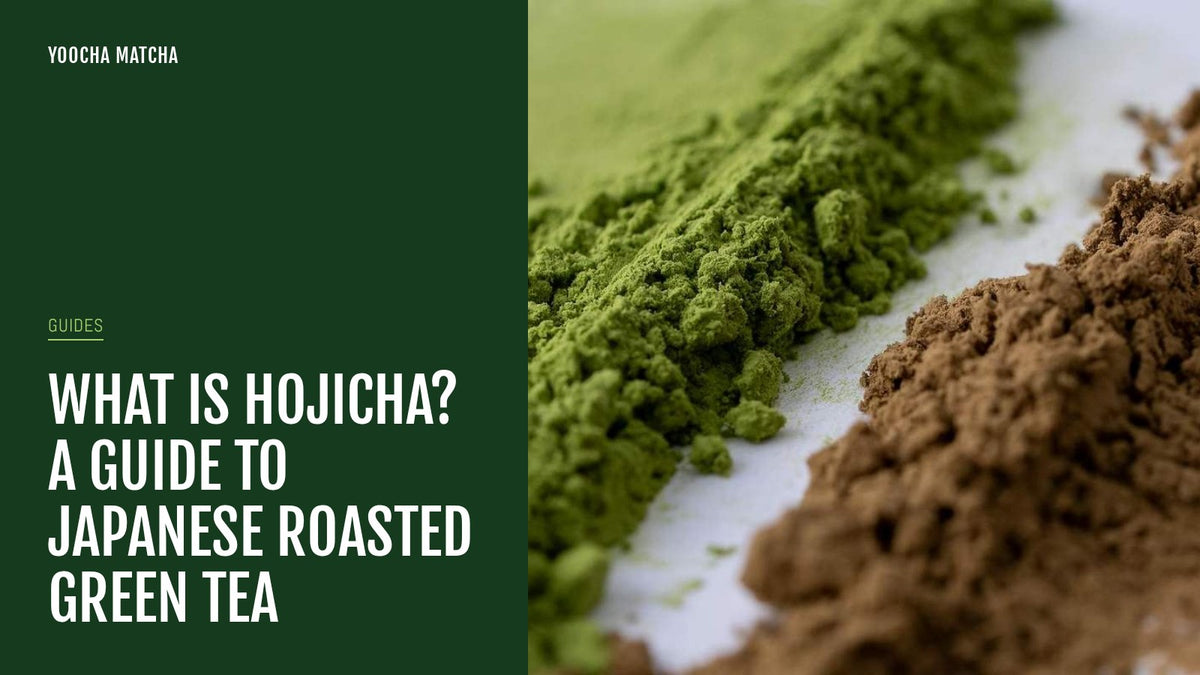
Roasting is the step that gives hojicha its brown appearance and recognizable aroma. The tea is processed as green tea before it is roasted, so the name describes its production even when the leaves no longer look green.
That distinction helps when you first open a pack: brown hojicha powder is the expected result of roasting. In the cup, its appearance depends on whether you have brewed leaves or mixed ground tea into water. Strained leaves give a translucent amber-brown drink; powder stays in the liquid and makes it opaque. Adding milk shifts that brown toward a creamy, lighter shade.
Before choosing a preparation method, check the form on the label:
- Loose leaves: steep in hot water and strain before serving.
- Tea bags: brew in water and remove the bag.
- Powder: mix thoroughly into the liquid and leave it in the drink.
This is also why a recipe written for hojicha leaves may be awkward to follow with powder. An infusion contributes tea-flavored liquid, while powder adds ground tea directly to the mixture. For a latte or a dessert filling, that difference affects both texture and how you introduce the flavor.
What does hojicha taste like?
The first impression is often the smell: warm roasted tea, with associations of toasted grain or nuts. The flavor follows that roasted direction, with less of the fresh, grassy character you may know from matcha.
Those comparisons describe what you might notice; they are not ingredients. A nutty impression does not mean nuts have been added, and a sweet-seeming finish does not establish that the tea contains sugar. Check the ingredient list if you are choosing between plain powder and a prepared drink mix.
The same hojicha can feel quite different across preparations:
- A strained infusion keeps the texture light and lets you notice the aroma without milk.
- Powder mixed with water gives a fuller mouthfeel because the ground tea remains in the cup.
- A hot latte softens the roasted edge with warm milk.
- An iced latte changes as the ice melts, gradually making the tea less pronounced.
For your first tasting, leave flavored syrup aside until you have tried the tea with your usual milk. If the finish seems dry, consider the strength of the mixture before reaching for more sweetener. Less bitterness does not mean hojicha cannot become bitter when prepared too strongly.
Coffee drinkers may recognize something familiar in the roast aroma, although the cup still tastes of tea. Approach it as a new flavor for your morning drink, with room to decide whether you prefer its lighter infusion or its creamier latte form.
What is the difference between hojicha and matcha?
The practical choice is between a roasted tea flavor and a fresh green tea flavor. Hojicha gets its character from roasting; matcha is a finely ground tea made from specially processed green tea leaves.
Both can become a milk drink, but the result has a different personality. Hojicha brings toasted notes into the milk, while matcha keeps a more leafy, sometimes savory character. Using the same milk for a comparison helps you judge the tea rather than a change in the rest of the recipe.
| What you are choosing | Hojicha | Matcha |
|---|---|---|
| Main processing distinction | Green tea that is roasted | Specially processed green tea ground into powder |
| Appearance before milk | Brown | Green |
| Flavor direction | Toasty, often nutty | Vegetal, sometimes savory |
| Form to check when buying | Leaves, tea bags or powder | Powder |
| Preparation | Brew leaves or mix powder | Mix powder into liquid |
| Effect in a milk drink | Adds a roasted tea note | Adds a distinct green tea note |
| Caffeine-free? | No | No |
Choose according to what you want to make:
- Tea with water: hojicha leaves suit a strained, light-textured cup; either powder remains in the drink.
- A hot latte: choose the roasted or leafy flavor you would enjoy with your usual milk.
- An iced latte: consider how much milk and melting ice will soften the tea.
- Baking: hojicha contributes brown tones and toasted flavor; matcha contributes green color and its characteristic tea flavor.
Color is useful for anticipating the appearance of a dessert, but it cannot tell you whether you will enjoy the taste. For a first comparison, a plain drink is easier to judge than a latte layered with several syrups.
Does hojicha have caffeine?
Yes. Hojicha is made from tea and contains caffeine. Neither its brown color nor its gentle roasted flavor makes it caffeine-free.
A claim that one hojicha drink contains less caffeine than another tea needs a defined comparison. The tea itself matters, as does the amount used and the preparation method. With brewed leaves, you remove the tea after steeping; with powder, the ground tea stays in the serving. A number for an unrelated infusion cannot establish the content of your powdered latte.
YOOCHA MATCHA’s supplied product facts contain no reference caffeine figure for Premium Hojicha Powder. There is therefore no product-specific amount to quote here, or a supported numerical comparison to make with matcha.
When checking information elsewhere, look for a named product and a clearly described serving. A general statement about roasted tea is not enough to calculate the caffeine in your glass.
If caffeine-free is part of your buying decision, the company’s product facts identify Blue Powder, made from butterfly pea flowers, as caffeine-free. It is a different ingredient, so do not expect it to reproduce hojicha’s roasted flavor.
How do you prepare hojicha leaves and powder?
Read the pack before you start: brewing instructions for leaves and mixing instructions for powder serve different purposes. Use the stated quantities and water temperature for the product you have.
For loose leaves, the main task is extracting the flavor and then separating the tea from the water:
- Place the leaves in a teapot or infuser with room for water to circulate.
- Pour in hot water following the pack’s guidance.
- Steep for the time given on the pack.
- Strain the drink fully so the leaves do not keep steeping.
- Taste the infusion before adjusting your next brew.
Powder needs a different sequence because it stays in the cup:
- Put the powder in a bowl, sifting it if clumps are visible.
- Add a little water at the temperature recommended on the pack.
- Mix until no dry pockets remain.
- Gradually add the rest of the liquid.
- Stir again before serving if the tea has settled.
A chasen (bamboo whisk) gives you room to work through the mixture in a wide bowl. A small handheld frother can also help, provided its head reaches the powder without splashing the liquid.
Look around the bottom and sides before adding milk. Dry tea can cling there even when the center looks evenly mixed. Hojicha powder does not dissolve completely, so a little sediment later is different from a lump that was never wetted properly.
How do you make hot and iced hojicha drinks?
Prepare the tea mixture first, then build the drink around it. This gives you a chance to remove dry clumps before milk makes them harder to see.
The methods below are general preparation sequences, not measured YOOCHA MATCHA recipes. Take the powder quantity and water temperature from your pack. Keep track of the milk you add so that a cup you enjoy is easier to repeat.
Make a hot hojicha latte
You will need:
- Hojicha powder, measured according to the pack.
- Water for the initial mixture.
- Your usual milk.
- Optional sweetener.
- Sift any clumpy powder into a mixing bowl.
- Add the mixing water and whisk until the powder is evenly dispersed.
- Warm the milk without boiling it.
- Pour the milk into the tea gradually, stirring as you go.
- Taste before adding sweetener.
Smell the tea mixture before the milk goes in, then notice how the aroma changes in the finished cup. If the latte tastes mostly of milk, use less milk on the next attempt or adjust the powder within the pack’s guidance. Sweetener changes the balance but cannot restore missing tea flavor.
Make an iced hojicha latte
You will need:
- Hojicha powder, measured according to the pack.
- Water for mixing.
- Cold milk.
- Ice.
- Optional sweetener.
- Mix the powder with water as directed on the pack until no dry clumps remain.
- Stir in sweetener if you are using it.
- Fill your glass with ice and add cold milk.
- Pour the tea mixture over the milk.
- Stir from the bottom before taking a sip.
The brown ribbons through the milk make an inviting glass, but the layers need mixing for an even flavor. On a hot Dubai afternoon, taste the drink again as the ice melts; that helps you decide whether the next glass needs a different tea-to-milk balance. Starting with cold milk reduces how much heat you bring to the ice.
Make vanilla hojicha milk
You will need:
- Prepared hojicha mixture.
- Warm or cold milk.
- Vanilla extract or vanilla syrup.
- Ice for a cold version.
- Make the hojicha mixture using the pack’s directions.
- Stir in a little vanilla.
- Add warm milk, or combine with cold milk and ice.
- Taste before adding more vanilla or sweetness.
Vanilla syrup already contributes sweetness, so judge it as part of the whole drink. Keep the roasted aroma noticeable rather than using the tea’s brown color as a guide to strength. It can take a few attempts to find the balance you like, and that is normal.
How can you use hojicha powder in desserts?
Use hojicha powder where roasted tea flavor will be easy to notice, especially in a simple milk or cream base. The main challenge is distributing it without leaving dry specks inside the finished dessert.
Choose the mixing method that fits your recipe:
- For a wet mixture: work the powder into a little of the recipe’s liquid before combining it with the rest.
- For a dough or batter: sift it with the dry ingredients when the recipe directs.
- For a filling or sauce: check for clumps before the mixture becomes too thick to stir easily.
Keep that liquid within the recipe’s allowance. Adding an extra splash to loosen a tea paste can alter the texture of a filling or custard. For cakes and other bakes where structure matters, start with a recipe developed for tea powder.
Possible uses include:
- Milk pudding.
- Ice cream.
- Cheesecake filling.
- Cookies.
- A cream-based sauce.
Taste at the intended serving temperature, since a warm mixture is not the same tasting experience as a chilled dessert. For a Ramadan evening or family gathering, a plain hojicha pudding gives guests a clear introduction to the roasted flavor. Once you know that base, you can decide whether it needs another flavor alongside it.
How should you store hojicha powder in the UAE and GCC?
Keep the roasted aroma protected by limiting exposure to heat, moisture and kitchen smells. YOOCHA MATCHA’s regional storage guidance recommends refrigerating open tins in the UAE and GCC heat.
The handling between fridge and counter matters. Leave the container sealed while it comes toward room temperature before opening; this helps avoid exposing cold powder directly to warm, humid air. Measure with a clean, dry utensil, close the lid promptly and return the sealed container to storage.
A useful kitchen routine is:
- Set out the glass and milk before opening the powder.
- Move the tin away from the kettle and its steam.
- Use a dry scoop, even if you have just rinsed your other tools.
- Check that the lid closes securely.
- Follow the storage instructions and date guidance on the pack.
A fridge contains strong-smelling foods as well as cool air, so refrigeration does not replace a well-sealed container. Keep the powder protected from nearby odors.
If you regularly make iced drinks, avoid leaving the tin on the counter while you finish the latte or tidy the kitchen. Measuring, closing and putting it away as one part of the routine reduces unnecessary exposure.
Which hojicha should you choose for your first latte?
Look for powder when you want to mix roasted tea directly into milk. Check the product form before buying, since a bag of loose leaves needs brewing and straining.
YOOCHA MATCHA’s Premium Hojicha Powder is roasted green tea from Japan with a toasty, less bitter character. The supplied company product brief lists the 250 g pack from AED 180; check the product page for the current price.
Start with your usual milk and the pack’s preparation guidance. Keep the first latte plain enough to taste the tea, then adjust the next cup around what you enjoyed.
Frequently asked questions
Why is hojicha brown if it is green tea?
It is processed as green tea before roasting. Roasting changes its appearance and aroma, giving the finished tea its brown color and toasted character.
Can I use hojicha leaves in a powder recipe?
The method needs adjusting. Leaves must be infused and strained, which introduces tea-flavored liquid; powder goes directly into the recipe and stays there.
Does a nutty flavor mean hojicha contains nuts?
A nutty tasting note describes a sensory impression. It does not establish the ingredients of a product; check the label for its actual ingredient information.
Can I calculate hojicha caffeine from its color?
No. Color does not establish caffeine content. YOOCHA MATCHA provides no reference caffeine figure for Premium Hojicha Powder, so there is no numerical amount to quote.
Why does my iced hojicha have clumps?
Dry powder can be difficult to distribute directly in cold milk. Mix it with water following the pack’s guidance, checking the bowl for dry pockets before adding milk.
Is sediment a sign that I mixed it badly?
Some settling is normal because ground tea does not fully dissolve. Stir the drink gently; firm dry clumps suggest the initial mixing needed more attention.
Should I add syrup to my first hojicha latte?
Taste it with your chosen milk first. If you want sweetness, add it gradually so you can still judge the roasted tea flavor.
Sources
- YOOCHA MATCHA supplied company profile and product brief: Japanese origin, roasted flavor, product name, and the listed AED 180 price for the 250 g pack. These are the sources of the pack size and price quoted above.
- YOOCHA MATCHA supplied product facts: Blue Powder is caffeine-free; no reference caffeine figure is available for hojicha.
- YOOCHA MATCHA regional storage guidance: refrigeration of open tins in regional heat.
- Preparation methods: general kitchen guidance, not tested company recipes. Use the product pack for measured quantities, temperatures and brewing times.
اقرأ أيضًا