An easy strawberry matcha latte with fresh fruit
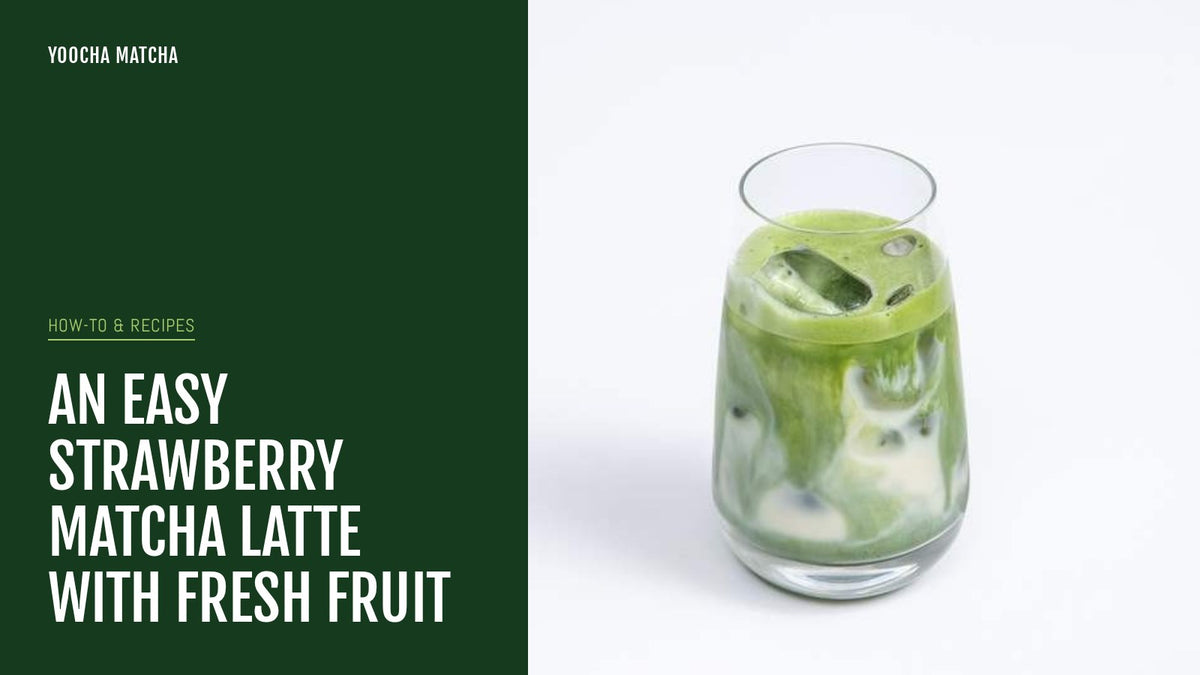
Make a strawberry matcha latte by layering mashed strawberries, milk, and whisked matcha over ice. Whisk the tea separately with warm water for a smooth base, then pour gently over the milk. Stir before drinking so the sweet berries and green tea meet in every sip.

In this article (9)
- Ingredients for your strawberry matcha latte
- Choose matcha that tastes good with milk
- Mash the fruit, whisk the tea, and build the drink
- Make a quick strawberry sauce for a smoother drink
- Adapt the recipe for a hot or stronger iced drink
- Fix bitterness, clumps, and weak strawberry flavor
- Store the matcha carefully in UAE and GCC heat
- Frequently asked questions
- Start with the measured base and adjust to taste
Ingredients for your strawberry matcha latte
Choose fragrant, ripe strawberries: milk softens their flavor, so pale, hard fruit can get lost in the drink.
For one iced drink, you need:
- Fresh strawberries, hulled and mashed, enough to cover the bottom of your glass.
- 2 g Japanese matcha powder.
- 60 ml water at around 70–80 °C (158–176 °F).
- Milk, added to taste.
- Ice, leaving space for the milk and tea.
- Optional sugar or agave syrup, to taste.
The measured tea base follows the supplied iced-matcha reference. Fruit and milk are adjustable because berry sweetness and preferred tea strength vary. Begin with less milk, then add more after stirring and tasting.
Gather a small bowl and a glass, plus:
- A kitchen scale.
- A fine strainer.
- A fork or blender.
- A chasen (bamboo whisk), or a handheld milk frother.
- A spoon.
Taste the berries before sweetening; too much sugar can hide the tea.
Choose matcha that tastes good with milk
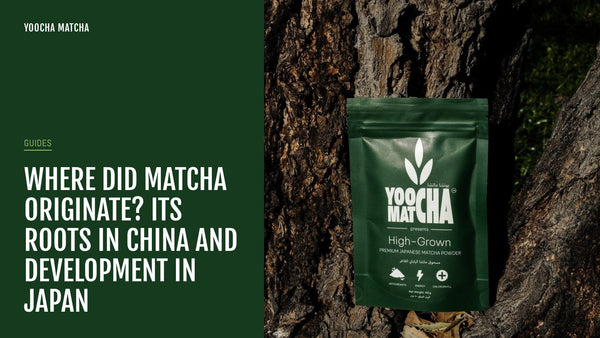
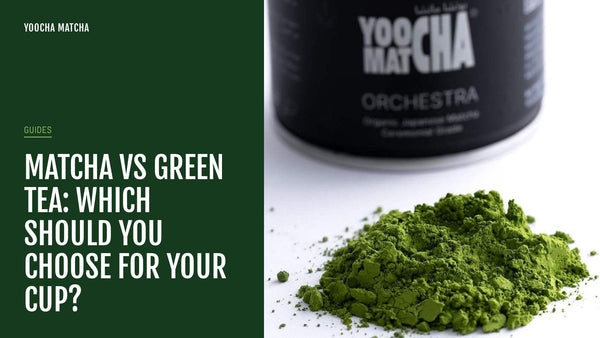
Because strawberry and milk soften the tea’s flavor, choose matcha by how it tastes in the finished latte. High-Grown Premium Japanese Matcha Powder from YOOCHA MATCHA suits everyday cups and lattes. Although ceremonial matcha works if you already have it open, a grade intended for drinking straight is unnecessary here. At the same time, your milk affects the balance: a sweetened milk or one with a noticeable flavor may compete with the berries. Taste it on its own, then decide how much sweetener the fruit needs so the tea still comes through.
Sift whichever powder you choose to prevent concentrated pockets of tea.
Mash the fruit, whisk the tea, and build the drink
Prepare the fruit first and whisk the tea last, ready for assembly.
- Mash the strawberries. Remove the hulls and damaged areas, then mash in a bowl. Blend for a smoother texture.
- Taste the fruit. Mix in a little sugar or agave only if needed.
- Sift the matcha. Measure 2 g into a dry bowl through a fine strainer.
- Whisk the base. Add 60 ml water at around 70–80 °C (158–176 °F). Whisk briskly for about 15 seconds with a back-and-forth M-shaped movement until evenly dispersed.
- Layer the fruit and ice. Spoon the berries into your glass and add ice gently.
- Pour the milk. Add it slowly, leaving space for the tea. Pour over the back of a spoon to soften the flow.
- Finish with matcha. Pour gently over the milk, then stir thoroughly. Taste before adjusting.
Thicker fruit and gentle pours help show the layers. Once stirred, a pink-and-green drink can taste just as good.
Aim for smooth tea. Getting comfortable with the whisk takes practice, and that is normal. Avoid pressing it hard against the bowl.
Make a quick strawberry sauce for a smoother drink
Cooked sauce softens the fruit pieces for a smoother sip.
- Warm chopped strawberries with sugar to taste in a small saucepan.
- Stir and press until soft and spoonable, keeping the sugar from catching.
- Cool before assembling; strain if you prefer.
Because berries release juice as they soften, they usually need little added water, although a splash helps if the pan looks dry. Keep the sauce loose enough to mix into milk: a jam-like texture can stick at the bottom even after stirring. Cooling matters, too, because warm sauce melts the ice and dilutes both flavors. Therefore, prepare it before whisking the tea and let it cool separately. Fresh mashed berries keep a brighter raw-fruit character, while cooked sauce gives a softer flavor; either suits a cold glass on a hot Dubai afternoon.
Choose the texture you enjoy.
Adapt the recipe for a hot or stronger iced drink
For a hot version:
- Spoon prepared fruit or sauce into a cup.
- Whisk 2 g sifted matcha with 60 ml water at around 70–80 °C (158–176 °F).
- Warm milk gently without boiling.
- Add milk and tea, stir, and taste before sweetening.
Because acidic strawberries can cause milk to separate, especially when very hot, start with a little fruit and serve promptly. Although a hot version works, iced is the easier starting point for a smooth drink. For more tea flavor, the supplied latte reference uses 3 g matcha in 90 ml water at around 80 °C (176 °F), followed by milk to taste. This adds more tea while preserving the powder-to-water ratio; however, adding more milk can soften that extra flavor again. Keep iced ingredients cool, too, because melting ice changes the balance.
Stir and taste before adjusting.
Fix bitterness, clumps, and weak strawberry flavor
Taste the fruit and tea separately to find what needs changing.
- Bitter tea: try water at the lower end of the suggested temperature range.
- Dry green clumps: sift, then whisk with water before adding milk.
- Weak strawberry flavor: use riper fruit or more purée before adding sweetness.
- Watery drink: cool ingredients first and serve soon after assembly.
- Too sweet: reduce added sweetener, especially with sweetened milk.
- Fruit stuck below: mash more finely or use a smooth sauce, then stir.
Dry matcha added directly to cold milk can gather into pockets that resist mixing. A separate water-based mixture lets you spot those pockets before assembly.
Even with ripe fruit and measured tea, too much milk can soften both flavors. Add it gradually until the berries remain clear and the tea comes through.
Change one thing at a time. Note your preferred fruit and milk amounts to make the next morning cup easier to repeat.
Store the matcha carefully in UAE and GCC heat
Keep matcha in an opaque, tightly sealed container, away from heat and strong odors.
In UAE and GCC summer heat, refrigerate an open tin, protected from moisture and scented foods. Let it approach room temperature while sealed before opening to reduce condensation on the powder.
The supplied storage guidance recommends finishing opened matcha within about a month for best flavor. Choose a pack you can use in that time.
Refrigerate prepared fruit in a clean, covered container and use promptly. Keep it separate until serving, including when preparing ahead for Ramadan gatherings.
Frequently asked questions
Can I use frozen strawberries?
Yes. Thaw before mashing; add released liquid sparingly to avoid a thin fruit layer.
Do I need ceremonial matcha?
No. Matcha intended for everyday lattes suits this recipe.
Can I make it without a bamboo whisk?
Yes. Sift, add warm water in a deep container, and mix with a handheld milk frother.
Should I stir the layers?
Yes, so each sip contains fruit, milk, and tea.
Can I leave out sugar?
Yes. Taste first; ripe berries and your milk may be sweet enough.
Can I prepare it ahead?
Refrigerate the fruit separately. Whisk and assemble close to serving to limit dilution from ice.
Start with the measured base and adjust to taste
Start with 2 g matcha and 60 ml water. High-Grown Premium Japanese Matcha Powder suits this latte; add milk gradually, stir, and adjust to your berries.
Sources
- Supplied “Matcha Over Ice” and “Cold-whisked Matcha” references: 2 g tea and 60 ml water; the warm method uses 80 °C (176 °F) and 15 seconds of whisking.
- Supplied “Matcha Latte” reference: 3 g tea, 90 ml water at 80 °C (176 °F), then milk to taste.
- “How to Keep Your Matcha Fresh” (2025): sealed storage away from heat, light, and odors; about one month after opening for best flavor.
- YOOCHA MATCHA company brief: latte grade and regional refrigeration advice. Fruit preparation is an editorial adaptation; milk and sweetness are adjustable.
Keep reading