Ceremonial vs culinary matcha: which should you choose?
Ceremonial matcha generally suits drinking with water, while culinary matcha suits recipes with other ingredients. For lattes, choose a powder whose flavor stays clear through milk without becoming harsh. The grade name is a starting point; freshness, preparation and the way you drink matter just as much.

In this article (9)
- What is ceremonial grade matcha?
- Culinary Grade Matcha
- What actually separates ceremonial from culinary matcha?
- How do they actually taste?
- How should you choose for straight tea, lattes or baking?
- How much does the matcha in a cup cost?
- How can you judge quality and keep matcha fresh?
- Your cart
- Frequently asked questions
What is ceremonial grade matcha?
Ceremonial grade usually describes matcha intended for drinking with water alone. You should expect a fresh green aroma and a balanced taste.
Matcha is finely milled Japanese green tea made from specially grown and processed tea leaves. Because you whisk the powder into water and drink it, its texture matters alongside its flavor. A powder intended for straight drinking should feel fine on the tongue, with savory depth and enough natural sweetness to balance its bitterness. However, “ceremonial” is a commercial description rather than a universal grading standard, so the word alone cannot establish quality or suitability for every preparation. Judge the finished cup. A high price or elaborate tin gives you less useful information than a clear product description and a small pack you can taste.
Usucha (thin matcha) is the lighter, whisked preparation most beginners try. Koicha (thick matcha) uses a more concentrated preparation, making texture and bitterness especially noticeable. Check that the seller specifically recommends the powder for that use.
YOOCHA MATCHA’s Organic Ceremonial Grade Japanese Matcha Powder is intended for drinking straight, including usucha and koicha. Choose it when the tea itself is the focus of your morning cup.
Culinary Grade Matcha
Culinary grade generally describes matcha chosen for drinks and food recipes. Its flavor is often more assertive, with greater bitterness or astringency.
Milk and other ingredients change how clearly you perceive the tea. A delicate matcha can become difficult to taste in a large latte, while a stronger powder may keep its green tea character through milk, sweetness and ice. That does not mean every culinary powder makes a pleasant drink: some work better in baking than in a lightly sweetened latte, where roughness remains obvious. Taste it in context. The useful question is whether its flavor balances the finished recipe, especially when you want an iced drink that remains recognizable as matcha after the ice begins to melt.
A good culinary powder can be a sensible choice for everyday cooking. Lower cost alone, however, cannot tell you whether the powder is fresh or whether you will enjoy its flavor.
Culinary matcha commonly fits these uses:
- Cakes and cookies where tea shares the recipe with other flavors.
- Ice cream and chilled desserts with a creamy base.
- Smoothies where fruit and milk soften the tea’s intensity.
- Lattes, provided the powder tastes balanced at your preferred sweetness.
What actually separates ceremonial from culinary matcha?
The main difference is the intended balance of flavor and use. Production choices influence that balance, but grade labels simplify a complicated product.
The leaves selected, their growing conditions and their processing all affect the finished powder; freshness and storage then influence what reaches your bowl. Sellers may associate ceremonial matcha with particular harvests or younger leaves, yet the grade name cannot verify those details for an individual product. Read the actual description. Japanese origin tells you where the tea comes from, while organic certification concerns production requirements rather than guaranteeing a flavor you will prefer. Neither replaces tasting, and neither makes a powder automatically suitable for every latte, dessert or straight preparation.
Use this comparison as a guide to typical positioning, rather than a specification shared by every supplier.
| What you are comparing | Ceremonial grade | Culinary grade |
|---|---|---|
| Main intended use | Drinking with water | Recipes with other ingredients |
| Typical flavor direction | More balanced for straight drinking | More assertive in mixed recipes |
| Bitterness | Usually less prominent in a well-prepared cup | May be more noticeable |
| Texture priority | Especially important when drinking straight | Still matters, particularly in drinks |
| Use in lattes | Works, though delicate flavor may become muted | Works when the powder is suitable for drinks |
| Use in baking | Possible, with subtle qualities harder to notice | Usually a practical starting point |
| Price direction | Commonly higher | Commonly lower |
| What the label guarantees | No universal flavor specification | No universal flavor specification |
Terms such as “latte grade” and “barista grade” also describe intended use. Ask what the supplier means by them, including which milk-based recipe they recommend and whether you can taste a sample.
How do they actually taste?
Taste the tea in your usual drink before choosing a larger pack. Color helps you assess it, but aroma and finish complete the picture.
A matcha suited to straight drinking may have a rounded, savory character, a fresh leafy aroma and a finish that balances sweetness with mild bitterness. A culinary powder may taste more forceful, sometimes with a drying sensation that becomes easier to notice when you try it with water alone. Bitterness and dryness are different. The first is a flavor, while astringency is the puckering feeling you may notice after swallowing; either can become distracting if the recipe concentrates the tea too much. Preparation therefore belongs in the comparison, especially if one sample seems unexpectedly harsh.
Bright green powder is encouraging, although lighting and photographs can make color difficult to judge. A dull appearance or flat aroma warrants closer attention, particularly if the pack has been open in a warm kitchen.
For a fair comparison, follow the same method for both powders:
- Smell each powder before preparing it.
- Use the same measured amount of powder and water.
- Whisk each sample thoroughly and taste it without added sweetness.
- Make your usual latte with the same milk and syrup quantities.
- Compare the aroma, texture and finish as the drinks cool.
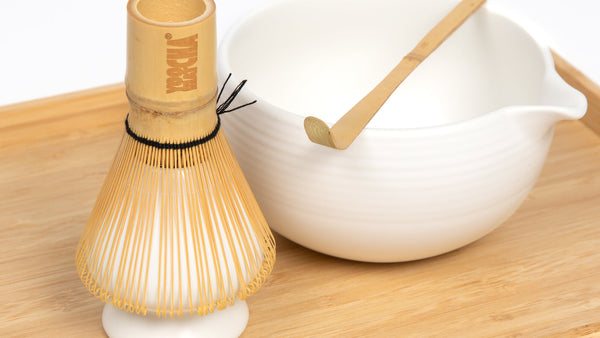
A chasen (bamboo whisk) helps disperse the powder, especially after sifting. Clumps can create concentrated bitter mouthfuls, so resolve mixing problems before deciding that a grade is wrong for you.
How should you choose for straight tea, lattes or baking?
Start with the drink or recipe you make most often. Your preferred milk balance matters more than the most expensive grade available.
For straight tea, choose a powder explicitly recommended for drinking with water, because there are few other flavors to soften bitterness or cover a rough texture. Latte drinkers should look for a clear tea flavor that stays pleasant alongside their usual milk, especially when making an iced glass for a hot Dubai afternoon. Ice changes the balance gradually. A powder that tastes good in a small hot latte may seem faint once the drink contains more milk and melting ice. Adjust the recipe before assuming you need a different grade, and compare samples in the finished drink you actually enjoy.
Match your purchase to your main use:
- Straight drinking: prioritize balance, fine texture and a clean finish.
- Hot lattes: look for a distinct tea flavor that works with your milk.
- Iced lattes: test the drink after some ice has melted.
- Baking: choose an assertive powder whose flavor suits the finished dessert.
YOOCHA MATCHA’s High-Grown Premium Japanese Matcha Powder is positioned for everyday cups and lattes. Its available pack sizes let you begin with a smaller quantity before committing to your regular supply.
Ceremonial matcha can also go into a cake or latte. The question is whether you notice enough of its subtler qualities in that recipe to justify the additional cost.
How much does the matcha in a cup cost?
Compare the powder cost per serving before comparing pack prices. A larger pack offers value only if you use it while fresh.
The calculation is pack price divided by pack weight, multiplied by the powder used per drink. The table uses a 2 g serving to make the comparison consistent; that serving size also matches the Ceremonial product information describing a 30 g tin as 15 servings. These are powder costs only. Your milk, sweetener and other ingredients add to the finished drink, while a stronger recipe increases the amount spent on matcha itself. Choose your preferred taste first, then calculate its cost, so that a cheaper-looking serving does not depend on making a drink you find too weak.
| Product and pack | Listed pack price | Approximate powder cost at 2 g |
|---|---|---|
| Organic Ceremonial Grade Japanese Matcha Powder, 30 g | AED 169 | AED 11.27 |
| High-Grown Premium Japanese Matcha Powder, 40 g | AED 62 | AED 3.10 |
| High-Grown Premium Japanese Matcha Powder, 100 g | AED 127 | AED 2.54 |
| High-Grown Premium Japanese Matcha Powder, 250 g | AED 279 | AED 2.23 |
Prices are those supplied for this guide and may change. Check the product page before ordering.
For a home drinker, the smallest pack can be a useful first purchase. Café owners should calculate from their wholesale quote and actual recipe, then request samples through the wholesale matcha page before choosing a regular supply.
How can you judge quality and keep matcha fresh?
A useful quality check combines product information with your own tasting. Freshness deserves as much attention as the grade printed on the pack.
Read the origin and intended-use information before buying, then look for a pack size that matches how often you make matcha. After opening, pay attention to the aroma and how the powder behaves when sifted and whisked; a smooth drink should not depend on adding enough syrup to hide an unpleasant finish. Small clumps alone are inconclusive. Fine powder can gather into clumps during storage, whereas a persistent stale aroma or disappointing taste deserves more attention. If a cup seems unusually bitter, review your water temperature and powder amount before judging the entire tin.
Use this checklist for any matcha:
- Is the Japanese origin clearly stated?
- Does the seller explain whether it suits straight tea or mixed drinks?
- Is the pack size realistic for your routine?
- Does the powder smell fresh when opened?
- Does it disperse well after sifting and whisking?
- Do you enjoy the finished drink at your usual sweetness?
In UAE and GCC heat, keep an opened tin tightly sealed in the fridge. Protect it from moisture and food odors, and let the closed container warm toward room temperature before opening to reduce condensation on the cold powder.
Use a dry spoon and close the tin promptly. When ordering within the region, check current shipping information for your destination and choose storage that protects the tea once it arrives.
Your cart
Choose the powder that fits your most frequent cup first. A clear intended use makes the decision easier than chasing grade names.
If you mostly drink matcha with water, Organic Ceremonial Grade Japanese Matcha Powder is the relevant starting point in the YOOCHA MATCHA range, including when you want to explore thicker preparations. For a latte routine, use the comparison and serving costs above to choose a powder you enjoy with your regular milk. Start with a manageable pack. Once you have tasted it in your own kitchen, you can decide whether a larger quantity makes sense for everyday drinks or family gatherings.
Frequently asked questions
Is ceremonial matcha always better than culinary matcha?
It is generally intended for straight drinking, where balance and texture are especially noticeable. Culinary matcha may fit a dessert or milk-based recipe better, depending on its flavor and your budget.
Can I use ceremonial matcha for baking?
Yes. Baking and other ingredients can make its subtle qualities harder to notice, so consider whether you taste enough difference in the finished recipe to justify its price.
Is culinary matcha suitable for lattes?
It can be. Look for a powder recommended for drinks, then test it with your usual milk and sweetness because some culinary powders suit baking better than lattes.
Does bitter matcha mean I bought the wrong grade?
Not necessarily. Water that is too hot, too much powder or poor mixing can make the drink taste harsher; review preparation before replacing the matcha.
Are latte grade and ceremonial grade official quality standards?
These commercial terms do not provide a universal quality specification. Ask the supplier about intended use and compare the actual flavor, texture and freshness.
Should I refrigerate an open tin in Dubai?
Yes, particularly in a warm kitchen. Keep it tightly sealed, use a dry spoon and let the closed tin warm toward room temperature before opening to limit condensation.
Sources
- YOOCHA MATCHA product information supplied for this article: product names, intended uses, pack sizes and listed AED prices for Organic Ceremonial Grade Japanese Matcha Powder and High-Grown Premium Japanese Matcha Powder.
- YOOCHA MATCHA Ceremonial product page: a 30 g tin provides 15 servings, supporting the 2 g serving used in the cost comparison.
- Editorial calculations: powder cost per serving equals listed pack price divided by pack weight in grams, multiplied by 2 g, rounded to the nearest fils.
- YOOCHA MATCHA company profile and preparation guidance supplied for this article: regional context, refrigeration of opened tins in summer heat, and the wholesale sample-request route.